Our Driveway Repair Services in Limerick
Hover or tap a service below to see how we handle it, then click through for the full details.
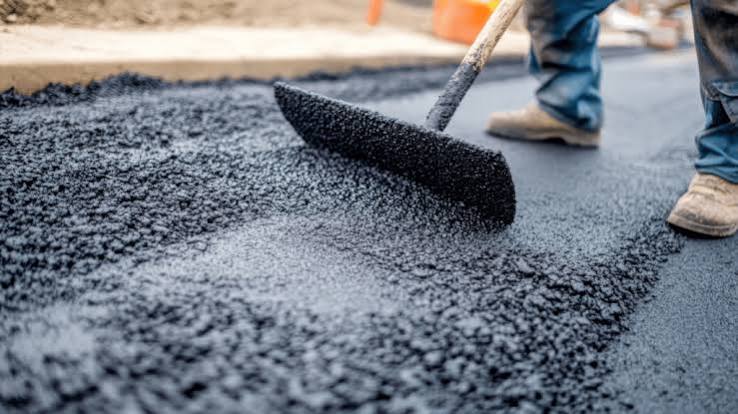
Asphalt Driveway Repair in Limerick
Patching, resurfacing, and structural repair for asphalt driveways showing real damage.
- Patch vs. Resurface vs. Replace — Isolated damage on an otherwise sound driveway calls for patching.
- Why Cold Patch Alone Doesn't Hold — Cold patch asphalt, the bagged material sold for DIY pothole fixes, isn't compacted or bonded the way a proper hot-mix patch is, and it typically fails within a season or two, especially through a Pennsylvania winter.
- How We Cut and Patch a Damaged Area — A proper asphalt patch starts before any new material goes down.
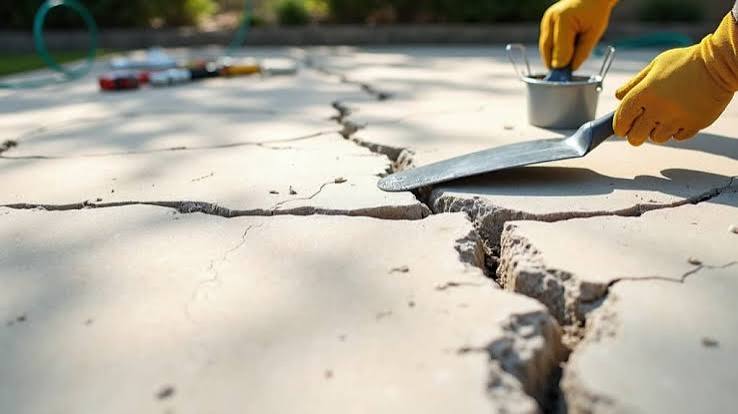
Concrete Driveway Repair in Limerick
Crack repair, slab leveling, and resurfacing for concrete driveways.
- Salt Damage Is a Real Factor Here — Rock salt and other chloride de-icers cause concrete to spall and scale at the surface over repeated freeze-thaw cycles, and it's one of the most common causes of premature concrete driveway failure we see in this area.
- How We Repair a Cracked or Spalled Slab — We saw-cut along the nearest control joint or a clean line around the damaged area rather than trying to feather a patch into a rough, broken edge, since concrete patches bond and hold better against a straight cut.
- Slab Leveling vs. a Full Repour — When a slab has settled unevenly but the concrete itself isn't cracked or badly deteriorated, leveling — raising the low slab back to grade by pumping material underneath it — is usually the more cost-effective fix, since it corrects the trip hazard without tearing out concrete that's still structurally fine.
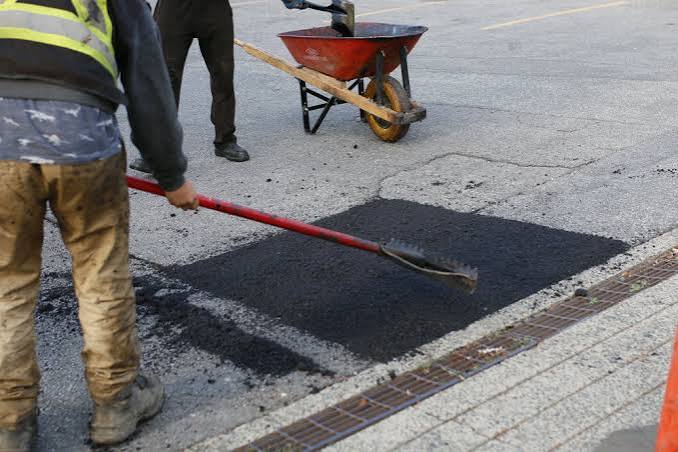
Pothole Repair in Limerick
Fast, properly compacted pothole patching that doesn't reopen with the next freeze.
- Why Potholes Come Back in the Same Spot — If water is consistently pooling or draining toward one section of the driveway, that section will keep breaking down faster than the rest no matter how many times it's patched.
- Our Pothole Repair Process, Step by Step — We start by cutting a clean, square edge around the pothole rather than filling the existing ragged hole as-is, since a straight cut gives the new asphalt a solid surface to bond against instead of crumbling edges that will just break away under the next few freeze-thaw cycles.
- What a Properly Compacted Patch Looks Like vs. a Bad One — A patch that's been compacted correctly sits flush with the surrounding pavement, has a clean, sealed edge where it meets the old asphalt, and doesn't flex or shift when you drive over it.
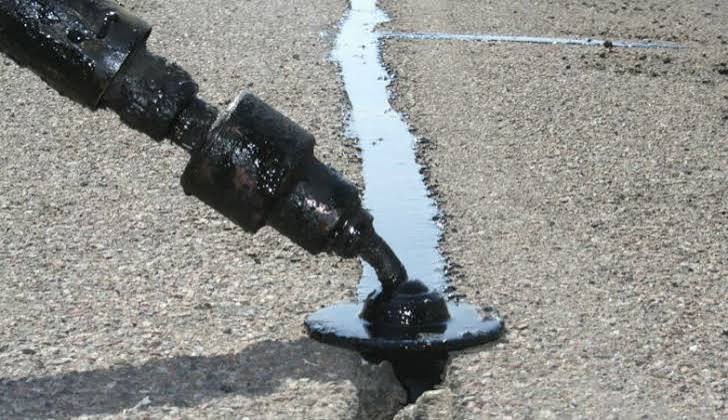
Crack Filling & Sealing in Limerick
Stopping water infiltration before small cracks turn into potholes over winter.
- The Best Time of Year for Crack Filling — Late spring through early fall gives sealant the dry, above-freezing conditions it needs to cure properly.
- How the Process Works, Step by Step — We clean out each crack with compressed air or a wire brush to remove loose debris, dirt, and vegetation before any sealant goes in, since filling a dirty crack just seals the debris inside instead of bonding to clean asphalt on both sides.
- Hot Rubberized Sealant vs. Cold-Pour Filler — Hot rubberized crack sealant is heated to a liquid state before application and cures into a flexible, rubber-like material that expands and contracts with the asphalt through temperature swings, which is exactly the movement that causes rigid fillers to crack open again at the same spot.
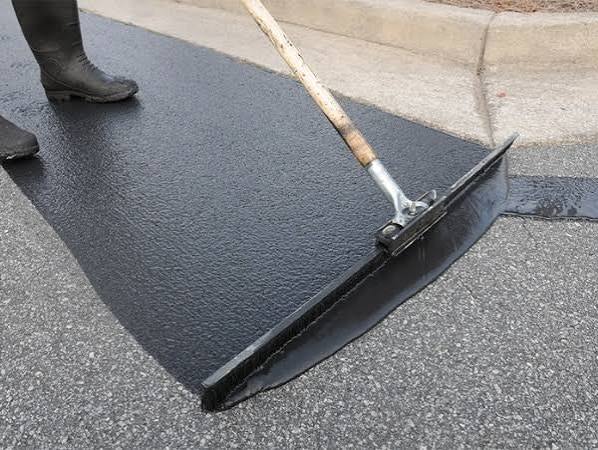
Asphalt Sealcoating in Limerick
A protective coating that shields your driveway from water, salt, and UV damage.
- How Often Your Driveway Actually Needs It — Every 2-3 years is a reasonable default for most Limerick-area driveways, but a driveway with heavy vehicle traffic, direct all-day sun exposure, or visible fading and graying earlier than that timeline benefits from sealing sooner rather than waiting out a fixed schedule that doesn't match its actual wear.
- How the Sealcoating Process Works — We start by cleaning the driveway thoroughly — sweeping debris, blowing out dirt and vegetation from cracks and edges, and spot-treating oil or gas stains that won't let sealcoat bond properly if left untreated.
- What's Actually in Sealcoat Material — Most sealcoat products are an asphalt-emulsion or coal-tar-emulsion base mixed with fine sand or other additives that add texture and durability once cured.
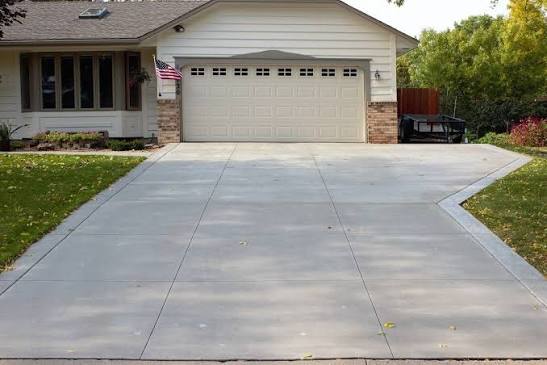
Driveway Resurfacing in Limerick
Milling and overlay for driveways with widespread surface damage but a sound base.
- What We Check Before Recommending Resurfacing — We look for signs the base has failed — significant heaving, uneven settling, or soft spots that flex under weight — versus damage that's confined to the surface layer.
- How Milling and Overlay Works, Step by Step — We start by milling off the damaged top layer of asphalt — typically an inch or two, depending on how deep the deterioration goes — down to a layer that's still structurally sound.
- What Affects the Cost of Resurfacing — Total square footage is the biggest factor, priced against the depth of asphalt being milled and replaced.