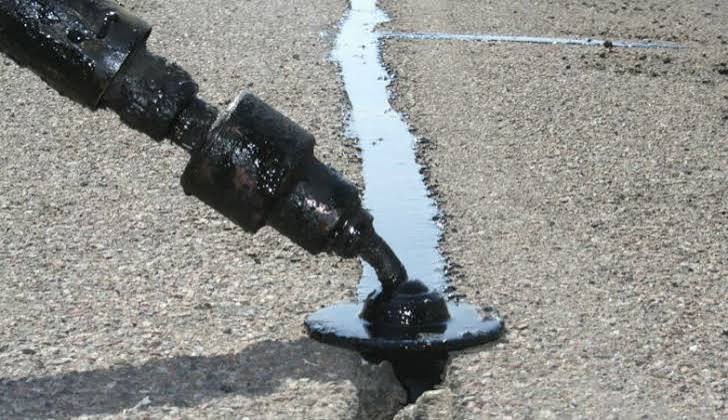
Crack filling is the least expensive driveway maintenance you can do, and it's also the one most homeowners skip until the crack has already turned into something bigger. The mechanism is simple: water gets into any crack in the asphalt, and when temperatures drop below freezing, that water expands and widens the crack from the inside. Repeat that cycle through a Pennsylvania winter and a hairline crack in November can be a chunk of broken pavement by March.
We fill cracks with a hot rubberized sealant that flexes with the asphalt as it expands and contracts through temperature swings, rather than a rigid filler that just cracks again at the same spot next season. Timing matters here — crack filling needs to happen in dry conditions with temperatures reliably above freezing to cure and bond properly, which is why we schedule this work for spring through fall rather than trying to squeeze it into a January cold snap.
For driveways with extensive alligator cracking — a web of interconnected cracks rather than isolated lines — filling individual cracks usually isn't the right fix, since the underlying asphalt is already structurally compromised. We'll tell you when that's the situation rather than filling cracks that are really a symptom of a bigger surface problem.
📞 Call 888-619-5502