πŸ“ž Call for a Free Quote: 888-619-5502

Asphalt Driveway Repair in Limerick, PA

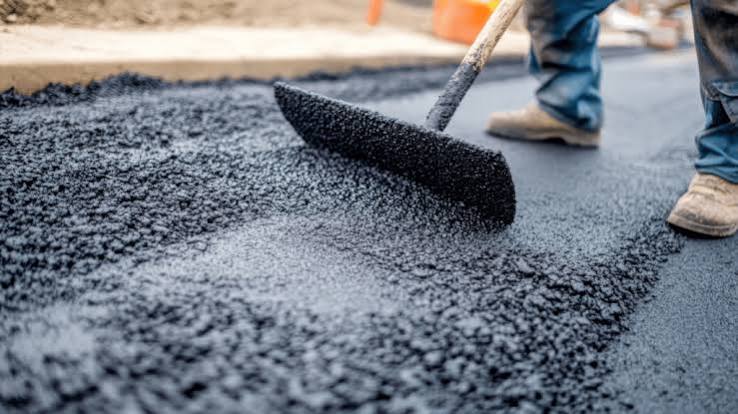
A crew raking fresh hot asphalt into place during a driveway repair

Asphalt driveways in Limerick Township take a beating from the same freeze-thaw cycle every winter β€” water works into small cracks, freezes, expands, and by spring what was a hairline crack is a pothole or a stretch of alligatored, chunked-up surface. The damage doesn't reverse itself, and driveways left unaddressed through a second or third winter tend to go from a repairable problem to a full-replacement problem faster than most homeowners expect.

We start with an assessment of what's actually happening under the surface. Isolated potholes and edge cracking are usually a straightforward patch job β€” cutting out the damaged area, prepping a clean edge, and compacting new asphalt in properly rather than just dumping cold patch in the hole and calling it done. Wider-spread deterioration, rutting, or a surface that's gone rough and crumbly across a large area usually points to milling and overlay β€” removing the compromised top layer and laying a fresh course of asphalt over a foundation that's still structurally sound underneath.

What we won't do is patch a driveway that's actually failed at the base β€” if the sub-base has heaved or washed out, patching the surface just delays a bigger repair and wastes money on work that won't hold. We'll tell you plainly when that's the situation instead of selling a patch that's going to fail again in a year.

πŸ“ž Call 888-619-5502

Request This Service

* Indicates required field

Patch vs. Resurface vs. Replace

Isolated damage on an otherwise sound driveway calls for patching. Widespread surface deterioration on a stable base calls for milling and overlay. A driveway with a failed sub-base, extensive alligatoring across most of the surface, or damage that keeps recurring after prior patches calls for full replacement β€” patching that situation is usually just deferring the same cost with interest.

Why Cold Patch Alone Doesn't Hold

Cold patch asphalt, the bagged material sold for DIY pothole fixes, isn't compacted or bonded the way a proper hot-mix patch is, and it typically fails within a season or two, especially through a Pennsylvania winter. Our patches are cut to a clean edge, properly compacted, and bonded to the surrounding asphalt so they hold rather than popping back out the first time a plow or a heavy vehicle crosses them.

How We Cut and Patch a Damaged Area

A proper asphalt patch starts before any new material goes down. We saw-cut a clean, square edge around the damaged asphalt rather than feathering into the ragged edges of the pothole itself, because a straight cut gives the new asphalt something solid to bond against instead of crumbling material that will just break away again. We remove the damaged asphalt and, if it's compromised, the base material underneath down to a stable layer, then check that the sub-base is properly compacted before anything new goes in. Hot-mix asphalt goes in in compacted lifts rather than one thick pour, since asphalt that's dumped in too deep without being compacted in stages tends to settle unevenly under traffic. We finish by sealing the seam between old and new asphalt so water can't work into that joint the way it worked into the original crack.

What Drives the Cost of an Asphalt Patch

The size and depth of the damaged area is the biggest factor β€” a small surface pothole costs a lot less to fix than a section where the base has also failed and needs to be excavated and rebuilt. How many separate repair areas a driveway has matters too, since mobilizing equipment and crew for three scattered patches costs more than one larger contiguous repair of the same total square footage. Access also plays a role: a driveway where equipment can pull right up to the damaged area is quicker and cheaper to patch than one where material has to be wheeled in around a tight side yard or a parked car that can't move. We give an itemized estimate that breaks these factors out rather than a flat per-square-foot number that doesn't reflect what your specific driveway actually needs.

Signs Your Asphalt Needs Repair Now, Not Later

A crack that's widened enough to catch a fingernail, or one where you can see daylight or loose gravel inside it, has already let water in and is past the point where crack filling alone will stop it. Alligator-pattern cracking, where a section looks like a web of interconnected lines rather than one clean crack, means the asphalt underneath has lost structural integrity, not just surface texture. Water pooling in the same spot after every rain, rather than running off, is usually eroding the base from below even before you see surface damage there. And a soft or spongy spot that flexes slightly under your foot is one of the more serious signs, since it usually means the base underneath has already failed.

Materials We Use in an Asphalt Repair

We use hot-mix asphalt for permanent patches rather than the cold-mix bagged material sold at hardware stores, since hot-mix compacts and bonds to the surrounding pavement in a way cold patch simply doesn't. The aggregate base underneath gets compacted to match what the rest of the driveway is built on, so the patched section doesn't settle at a different rate than the surrounding pavement. For the tack coat between old and new asphalt, we use a bonding agent that helps the new material adhere to the cut edge instead of relying on the new asphalt to bond on its own.

How Long an Asphalt Patch Takes and When It's Fully Cured

Most isolated patches are a same-day repair from start to finish, including cutting, excavation, and compacting the new asphalt. The patch is drivable within a few hours once it's compacted and cooled, but full cure β€” the point where the asphalt has reached its final hardness β€” takes longer, generally a few weeks, and we'll tell you if there's anything to avoid doing on it during that window, like parking a single vehicle in the exact same spot every day while it's still curing.

Common Mistakes We See With DIY and Prior Repairs

The most common mistake is filling a pothole with bagged cold patch and considering it fixed β€” it holds for a season at best, then reopens, often larger than before. The second is sealcoating over cracks or potholes without addressing them first, which just traps the problem under a fresh-looking surface instead of fixing it. The third is patching the same spot repeatedly without ever asking why it keeps failing there, when a recurring patch in one location is often a drainage issue that needs to be fixed alongside the pavement, not instead of it.

Our Patch Warranty

We stand behind our patches against failure from workmanship β€” if a patch we cut and compacted separates from the surrounding asphalt or fails structurally within the warranty period, we come back and fix it at no charge. That warranty doesn't cover a different section of the driveway that develops new, unrelated damage, since a patch fixes the area it was applied to, not the driveway's entire remaining lifespan. We'll go over the specifics of what's covered as part of your estimate.

Asphalt Driveway Repair FAQs

What is alligator cracking and does it mean I need more than a patch?

Alligator cracking is a web of interconnected cracks that looks like reptile skin, and it's a sign the asphalt has lost structural integrity across that whole area rather than just having an isolated crack or pothole. Filling individual cracks in an alligatored section usually doesn't hold β€” that area typically needs milling and overlay or, if it's widespread, full replacement.

Can asphalt be patched in the winter?

Emergency patching can be done in cold weather using techniques suited for it, but it's a temporary measure β€” a proper hot-mix patch needs warmer temperatures to compact and bond correctly. We'll get a cold-weather patch in to address safety or drivability right away and follow up with a permanent repair once conditions allow.

How long does a typical asphalt patch take to complete?

Most isolated pothole or edge patches are a same-day job, including cutting out the damaged area, compacting new asphalt, and finishing the edges. Larger areas needing milling and overlay take longer depending on the square footage involved.

Areas We Serve

Proudly providing driveway repair across the region:

Get Asphalt Driveway Repair in Limerick Today

Fast response, upfront pricing, and friendly local pros. Call now for a free quote.

πŸ“ž Call 888-619-5502