πŸ“ž Call for a Free Quote: 888-619-5502

Asphalt Sealcoating in Limerick, PA

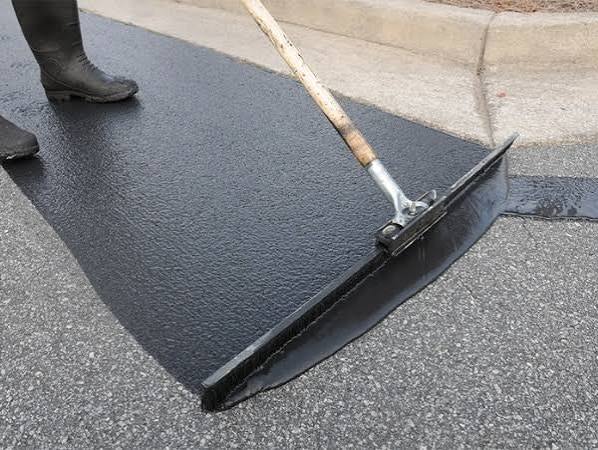
A squeegee spreading fresh sealcoat across an asphalt driveway

Sealcoating doesn't repair damage that's already there, but it's the single most effective thing you can do to keep a healthy asphalt driveway from developing that damage in the first place. It puts a protective layer over the asphalt that blocks water penetration, resists the de-icing salt that's common on Pennsylvania driveways through winter, and slows the UV and oxidation damage that makes asphalt go brittle and gray over time.

We typically recommend sealcoating every two to three years for driveways in this climate, depending on traffic and sun exposure β€” driveways that get heavier vehicle use or more direct summer sun tend to need it on the shorter end of that range. New asphalt should cure for six to twelve months before its first sealcoat, since sealing too early can trap moisture and oils that haven't fully off-gassed yet.

Like crack filling, sealcoating needs dry weather and temperatures consistently above 50Β°F to cure properly, so we schedule it for the warmer months rather than trying to fit it in during a cold snap where it won't bond and cure the way it's supposed to.

πŸ“ž Call 888-619-5502

Request This Service

* Indicates required field

How Often Your Driveway Actually Needs It

Every 2-3 years is a reasonable default for most Limerick-area driveways, but a driveway with heavy vehicle traffic, direct all-day sun exposure, or visible fading and graying earlier than that timeline benefits from sealing sooner rather than waiting out a fixed schedule that doesn't match its actual wear.

How the Sealcoating Process Works

We start by cleaning the driveway thoroughly β€” sweeping debris, blowing out dirt and vegetation from cracks and edges, and spot-treating oil or gas stains that won't let sealcoat bond properly if left untreated. Any cracks get filled before sealcoating goes down, since sealcoat is a thin protective layer, not a crack filler, and coating over an open crack just seals in the problem without solving it. The sealcoat itself is applied with a squeegee or spray system in an even coat, sometimes two depending on the driveway's condition and traffic level, and allowed to cure undisturbed for the time it needs before the driveway goes back into regular use.

What's Actually in Sealcoat Material

Most sealcoat products are an asphalt-emulsion or coal-tar-emulsion base mixed with fine sand or other additives that add texture and durability once cured. That composition is what gives sealcoat its ability to block water penetration and resist UV and salt exposure β€” it's a fundamentally different material than the hot-mix asphalt used in patching, designed to protect the surface rather than structurally repair it. We use quality commercial-grade sealcoat product rather than a thinned-down or lower-grade mix that looks the same going on but doesn't hold up nearly as long.

What Affects the Cost of Sealcoating

Square footage is the primary factor, since sealcoat is priced by the area it covers. A driveway in rougher condition β€” more oxidized, more oil staining, more minor surface cracking to fill first β€” costs more to prep properly than a driveway that's already in decent shape and just needs the protective coat itself. Whether the driveway needs one coat or two, based on its current condition and expected traffic, is the other main variable, and we'll specify that clearly in the estimate rather than defaulting to whichever number is easiest to quote.

Signs Your Driveway Is Due for Sealcoating

A driveway that's turned from black to a dull gray has already lost a meaningful amount of its UV and oxidation protection, since that color change is the asphalt's oils breaking down at the surface. A rougher, more porous-feeling texture than when the driveway was new means water is absorbing into the surface more easily than it should. And a driveway that visibly darkens and holds water spots for longer after rain than it used to is telling you the surface has become more porous β€” all signs it's due for a fresh coat before those effects accelerate.

Sealcoating and Crack Filling Work Together, Not Instead of Each Other

Sealcoating protects the broad surface from UV, oxidation, and salt penetration, but it isn't designed to bridge an actual crack the way a dedicated crack filler is. A driveway that gets sealcoated without having its cracks filled first still has those same entry points for water underneath a fresh-looking coat, which can actually make the problem harder to spot until it's more advanced. We fill cracks as part of any sealcoating job where they're present, rather than treating the two as separate services you'd have to remember to ask for both.

Why We Won't Sealcoat in the Wrong Conditions

Sealcoat needs dry weather and temperatures consistently above about 50Β°F for a long enough window to cure before rain, dew, or a hard freeze can compromise it. Applying it in marginal conditions β€” a cool, damp fall day, for instance β€” risks a coat that looks fine going down but never fully cures, and an improperly cured sealcoat can peel, discolor unevenly, or fail to bond at all. We'd rather push a sealcoating job back a few days for the right weather window than apply it on a schedule that isn't going to hold.

A Common Misconception: Sealcoating Fixes Damage

Sealcoating is a preventative measure, not a repair β€” it protects asphalt that's still in reasonably good structural shape from developing new damage, but it does nothing to fix a pothole, a structural crack, or a section that's already deteriorated. Homeowners sometimes hope a fresh coat of sealer will hide or fix existing damage, and while it can visually mask a hairline crack for a little while, that crack is still there underneath, still taking in water, and will show through again β€” usually worse β€” within a season or two. We address existing damage first and sealcoat second, never the other way around.

DIY Sealcoating vs. a Professional Application

Sealcoat is sold in retail buckets for homeowners who want to do it themselves, and for a small, low-traffic driveway in good condition, a careful DIY job can hold up reasonably well. Where it tends to fall short is prep and application consistency β€” retail sealcoat is typically a thinner-grade product than what we use, DIY crack filling ahead of the coat is often skipped or done with an inferior filler, and hand-applied coats are more prone to uneven thickness that shows as streaking or premature wear in high-traffic wheel paths. We're not against a homeowner doing simple maintenance themselves, but a driveway that's already showing wear, has significant square footage, or needs crack filling first is usually better served by a professional application that accounts for all of that upfront.

Areas We Serve

Proudly providing driveway repair across the region:

Get Asphalt Sealcoating in Limerick Today

Fast response, upfront pricing, and friendly local pros. Call now for a free quote.

πŸ“ž Call 888-619-5502