πŸ“ž Call for a Free Quote: 888-619-5502

Crack Filling & Sealing in Limerick, PA

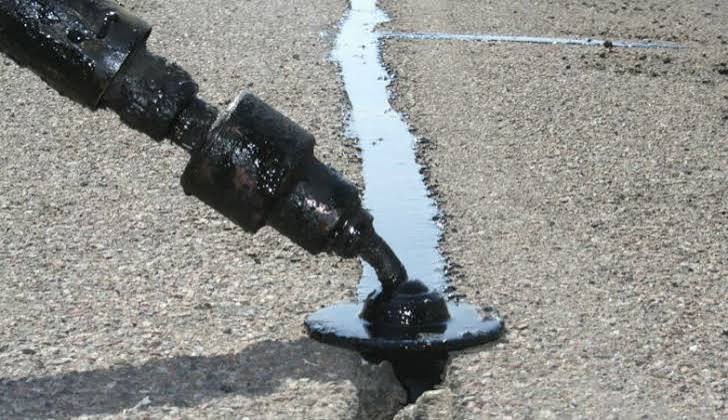
Hot rubberized sealant being applied into an asphalt driveway crack

Crack filling is the least expensive driveway maintenance you can do, and it's also the one most homeowners skip until the crack has already turned into something bigger. The mechanism is simple: water gets into any crack in the asphalt, and when temperatures drop below freezing, that water expands and widens the crack from the inside. Repeat that cycle through a Pennsylvania winter and a hairline crack in November can be a chunk of broken pavement by March.

We fill cracks with a hot rubberized sealant that flexes with the asphalt as it expands and contracts through temperature swings, rather than a rigid filler that just cracks again at the same spot next season. Timing matters here β€” crack filling needs to happen in dry conditions with temperatures reliably above freezing to cure and bond properly, which is why we schedule this work for spring through fall rather than trying to squeeze it into a January cold snap.

For driveways with extensive alligator cracking β€” a web of interconnected cracks rather than isolated lines β€” filling individual cracks usually isn't the right fix, since the underlying asphalt is already structurally compromised. We'll tell you when that's the situation rather than filling cracks that are really a symptom of a bigger surface problem.

πŸ“ž Call 888-619-5502

Request This Service

* Indicates required field

The Best Time of Year for Crack Filling

Late spring through early fall gives sealant the dry, above-freezing conditions it needs to cure properly. Crack filling done right before winter, when temperatures are already dropping, often doesn't get the full cure time it needs β€” which is part of why we recommend getting ahead of it in warmer months rather than treating it as a last-minute fall task.

How the Process Works, Step by Step

We clean out each crack with compressed air or a wire brush to remove loose debris, dirt, and vegetation before any sealant goes in, since filling a dirty crack just seals the debris inside instead of bonding to clean asphalt on both sides. The hot rubberized sealant is heated to a specific application temperature and applied directly into the crack with a pour pot or wand, filling it fully rather than just bridging over the top. We finish by tooling the sealant flush with the surrounding surface so it doesn't sit as a raised ridge that catches a tire or a snow shovel blade.

Hot Rubberized Sealant vs. Cold-Pour Filler

Hot rubberized crack sealant is heated to a liquid state before application and cures into a flexible, rubber-like material that expands and contracts with the asphalt through temperature swings, which is exactly the movement that causes rigid fillers to crack open again at the same spot. Cold-pour crack fillers, applied straight from a container without heating, are less expensive and easier to apply but don't achieve the same flexibility or bond strength, and tend to need reapplication more often in a climate with the kind of freeze-thaw cycling we get here. We use hot rubberized sealant for that reason on any crack filling job.

What Affects the Cost of Crack Filling

Total linear footage of cracks is the main driver, since it's priced by how much crack actually needs to be filled rather than a flat per-driveway rate. Crack width and depth matter too β€” a hairline crack takes less material and time than a wider crack that needs to be filled in multiple passes to avoid the sealant sinking or slumping before it sets. Driveways with dense, extensive cracking across the whole surface sometimes make more sense as a resurfacing candidate than a crack-filling job, and we'll flag that during the estimate if filling every crack individually stops being the cost-effective choice.

Signs You Need Crack Filling Now

Any crack you can see clearly from a standing position, especially one that's widened enough to catch a fingernail or show loose material inside it, is already letting water in and is a good candidate for filling before the next freeze-thaw cycle makes it worse. Cracks that run in a fairly straight line and aren't yet branching or connecting to other cracks are the ideal candidate β€” once cracks start interconnecting into an alligator pattern, filling individual lines is no longer the right fix, and the driveway is telling you it needs a different kind of repair.

Crack Filling vs. Sealcoating β€” They're Not the Same Thing

Crack filling addresses individual cracks directly, sealing off the specific entry points where water is getting into the asphalt. Sealcoating is a thinner protective layer applied across the entire driveway surface that protects against general UV, oxidation, and salt damage but isn't designed to bridge or fill an actual crack. The two are often done together β€” filling cracks first, then sealcoating over the whole surface β€” but sealcoating alone over unfilled cracks just delays the problem by hiding it under a fresh-looking coat rather than actually stopping the water infiltration.

Cure Time and Why Timing Matters

Hot rubberized sealant is typically dry to the touch and safe for foot traffic within a few hours, but full cure β€” the point where it's reached its final flexibility and bond strength β€” takes longer and depends on temperature and humidity. That's the core reason we schedule crack filling for late spring through early fall: sealant applied in cold, damp conditions right before winter often doesn't get the cure time it needs before that first freeze tests it, and a sealant that hasn't fully cured is more likely to fail exactly when you need it most.

A Common Misconception: 'It's Just Cosmetic'

Homeowners sometimes assume a hairline crack is a cosmetic issue that can wait, but the mechanism that turns a hairline crack into a pothole doesn't care how it looks β€” it only cares whether water can get in. A crack that looks minor in October can be a serious pothole by March if it goes through even one hard winter unfilled, and the cost of filling it early is a small fraction of the cost of patching the pothole it becomes. We'd rather fill a crack that turns out not to have needed it than patch a pothole that a $20 tube of sealant could have prevented.

Why We Don't Just "Caulk" a Crack

Some driveway sealants sold at hardware stores are closer to a flexible caulk than an actual pavement-grade rubberized sealant, and while they can look similar going in, they don't have the same bond strength or the ability to handle the shear movement that happens as asphalt expands and contracts across a wide temperature range. A caulk-grade product applied to a driveway crack often looks fine through one mild season and then pulls away from one side of the crack the following winter, leaving a gap that's arguably easier for water to get into than the original hairline crack was. We use a pavement-grade hot rubberized sealant specifically because it's formulated for that movement, not a general-purpose sealant repurposed for driveway use.

Areas We Serve

Proudly providing driveway repair across the region:

Get Crack Filling & Sealing in Limerick Today

Fast response, upfront pricing, and friendly local pros. Call now for a free quote.

πŸ“ž Call 888-619-5502