πŸ“ž Call for a Free Quote: 888-619-5502

Drainage & Grading Correction in Limerick, PA

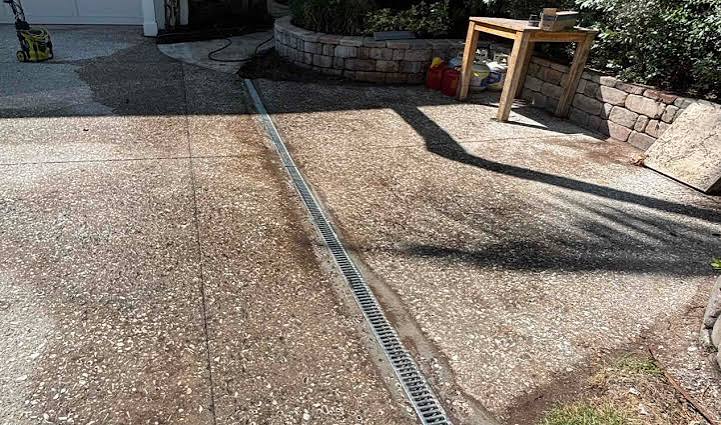
A trench drain installed across a concrete driveway to correct water pooling

A driveway that keeps developing damage in the same spot, or that has standing water after every rain, usually has a drainage or grading problem underneath the surface issue. Water that doesn't shed properly off a driveway either pools and works into the surface directly, or runs toward the edges and erodes the base from underneath β€” both of which accelerate cracking, potholing, and settling well beyond normal wear.

We evaluate grading as part of any repair estimate where recurring damage or standing water is part of the picture, not as a separate add-on service you have to think to ask for. Fixing the grading might mean regrading the driveway surface itself, adding a drain at a low point, or addressing where water from the yard or roof is running onto the driveway in the first place.

Correcting drainage before repairing or resurfacing the driveway matters because skipping it means the new surface fails the same way the old one did, just on a delayed timeline β€” it's the difference between fixing the actual problem and re-covering it.

πŸ“ž Call 888-619-5502

Request This Service

* Indicates required field

Signs Your Driveway Has a Drainage Problem

Standing water after rain that doesn't drain within a few hours, damage that keeps recurring in the same low spot despite repairs, or erosion along the driveway's edges are all signs the issue is grading and water flow, not just surface wear.

How We Diagnose a Drainage Problem

We look at where water is actually coming from before deciding how to fix where it's going β€” roof runoff without gutters or with downspouts dumping directly onto the driveway, yard grading that slopes toward the house and driveway instead of away from it, and the driveway's own surface grade all get checked separately, since treating a roof-runoff problem as if it were a driveway-grading problem (or the reverse) means fixing the wrong thing. We watch how water moves across the property during or right after a rain when possible, since that tells us more about the actual flow pattern than looking at a dry driveway ever could.

The Fixes We Use, Depending on the Cause

Regrading the driveway surface itself β€” adjusting its slope so water sheds toward the street or a designated drainage point instead of pooling β€” is the right fix when the driveway's own grade is the problem. A trench drain set across a low point catches water before it can pool or run toward the house, which works well where regrading the whole surface isn't practical. When the water is coming from the yard or the roof rather than the driveway itself, redirecting downspouts away from the driveway or adding a French drain along the property's high side addresses the source directly instead of just managing where the water ends up once it reaches the pavement.

What Affects the Cost of a Drainage Fix

A simple downspout redirect or minor regrading over a small area costs a lot less than installing a trench drain or French drain, which involves excavation and often connecting to an existing storm line or daylighting the water to a safe discharge point. How far water has to travel to reach a safe place to go matters too β€” a property where the street or a natural drainage swale is close by is a simpler fix than one where water has to be piped a long distance to get there. We evaluate this as part of any repair estimate where drainage is a factor, rather than pricing it as a generic add-on.

Drainage Problems Are Often Mistaken for Something Else

Homeowners frequently attribute recurring driveway damage to bad luck or bad materials when a drainage issue is the actual cause β€” a pothole that keeps reopening in the same spot after multiple patches, a section of asphalt that always looks wetter and darker than the rest, or a corner of a concrete slab that's settled more than the rest of the driveway are all classic drainage symptoms that get treated as pavement problems instead. We look for that pattern specifically because fixing the pavement without fixing the water flow underneath it is a repair that's guaranteed to fail again.

Why This Has to Happen Before, Not After, Repaving

Repaving or resurfacing over an unaddressed drainage problem doesn't reset the clock on the underlying issue β€” the same water that undermined the old surface will undermine the new one, usually on a similar or even faster timeline since the new surface hasn't had years to develop the resilience the old one built up incidentally. We won't recommend resurfacing or replacement on a driveway with an active drainage problem without also addressing the drainage, because doing one without the other means redoing the paving work again sooner than it should need.

Timeline and Weather for Drainage Work

Simple fixes like downspout redirection or minor surface regrading can often be done in a single day. Installing a trench drain or French drain involves excavation and typically takes longer, and like any excavation work, is easier to do accurately in dry ground conditions than after heavy rain has already saturated the soil we're trying to fix drainage in. We'll sequence drainage work ahead of any paving or resurfacing it needs to support, so the pavement goes down on ground that's already correctly graded.

Warranty on Drainage Corrections

Drainage fixes are warrantied against failure tied to our installation β€” a trench drain that clogs or fails structurally, or regrading that doesn't actually redirect water the way it was designed to. Drainage problems that originate outside the scope of the work we did, like a new landscaping change elsewhere on the property that alters water flow after our correction is complete, fall outside that warranty, and we'll be clear about the boundaries of what we're fixing before the work begins.

Drainage Work and Neighboring Properties

Water doesn't stop at a property line, and a drainage fix that solves a problem on your driveway by redirecting water onto a neighbor's yard or the street in a way that creates a new problem there isn't a fix we'll recommend. Where a driveway's water naturally needs to go through or near a neighboring property, or where a township right-of-way is involved, we plan the correction to shed water to an appropriate, legal discharge point rather than just moving the puddle somewhere else. That consideration sometimes adds a step to the plan, like tying into an existing storm drain rather than daylighting water onto open ground, but it's the difference between an actual fix and a problem we've just relocated.

Areas We Serve

Proudly providing driveway repair across the region:

Get Drainage & Grading Correction in Limerick Today

Fast response, upfront pricing, and friendly local pros. Call now for a free quote.

πŸ“ž Call 888-619-5502