πŸ“ž Call for a Free Quote: 888-619-5502

Driveway Resurfacing in Limerick, PA

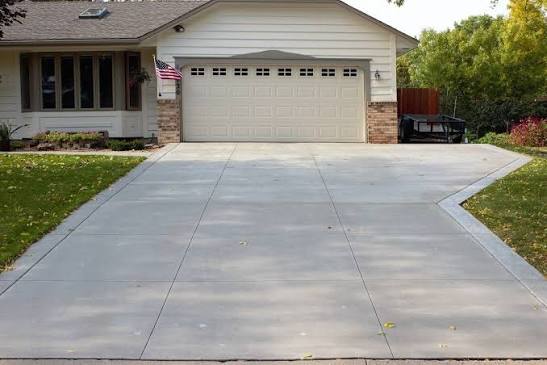
A clean, freshly resurfaced concrete driveway in front of a home

Resurfacing sits between a patch and a full replacement β€” it's the right call for driveways where the damage is spread across a large area rather than isolated to a few spots, but the base underneath is still structurally sound. Instead of tearing the whole driveway out and starting over, we mill off the damaged top layer and lay a fresh course of asphalt over the existing, still-solid foundation.

This approach costs meaningfully less than full replacement because it reuses the base rather than excavating and rebuilding it from scratch, and it typically takes less time to complete. It's a common fit for older Limerick-area driveways that have been patched repeatedly over the years and have reached the point where individual patches are no longer cost-effective, but the underlying gravel base hasn't shifted or failed.

Resurfacing isn't the right answer for every worn driveway, though β€” if the base has heaved, settled unevenly, or washed out from drainage problems, milling and overlaying a new surface on top of a compromised base just means the new surface fails the same way the old one did, on a shorter timeline. Part of our estimate process is confirming the base is actually sound before recommending resurfacing over replacement.

πŸ“ž Call 888-619-5502

Request This Service

* Indicates required field

What We Check Before Recommending Resurfacing

We look for signs the base has failed β€” significant heaving, uneven settling, or soft spots that flex under weight β€” versus damage that's confined to the surface layer. A sound base with a worn surface is a good resurfacing candidate; a base with structural problems isn't, no matter how the surface looks.

How Milling and Overlay Works, Step by Step

We start by milling off the damaged top layer of asphalt β€” typically an inch or two, depending on how deep the deterioration goes β€” down to a layer that's still structurally sound. Once the milled surface is clean and swept, we apply a tack coat that helps the new asphalt bond to the existing layer underneath rather than sitting as a separate layer that could delaminate later. The new asphalt goes down in a properly compacted lift, graded to maintain the driveway's existing drainage slope, and finished flush at all the edges and transitions β€” driveway apron, garage threshold, walkway crossings β€” so the new surface ties in cleanly rather than leaving an abrupt edge anywhere.

What Affects the Cost of Resurfacing

Total square footage is the biggest factor, priced against the depth of asphalt being milled and replaced. Driveways with more edge transitions to blend β€” multiple walkway crossings, a stamped or paver apron, an oddly shaped lot β€” take more time to finish cleanly than a simple rectangular driveway. And if we find soft spots or minor base issues once milling exposes what's underneath, addressing those adds to the scope, which is part of why our estimates note that a small amount of unforeseen base work is possible until the old surface actually comes off.

Resurfacing vs. Full Replacement β€” How We Decide

The deciding factor is the base, not the surface. If the compacted aggregate base underneath the damaged asphalt is still stable β€” no significant heaving, no widespread soft spots, no sign the sub-base has washed out β€” resurfacing over that base is the more cost-effective choice, since it reuses the most expensive part of the original installation. If the base itself has failed, milling and overlaying a new surface on top of it just means the new asphalt will develop the same problems on a shorter timeline, and full replacement starting from excavation is the honest recommendation even though it costs more upfront.

Signs Your Driveway Is a Good Resurfacing Candidate

Widespread cracking, rutting, or a rough, aged surface across most of the driveway β€” rather than isolated potholes β€” points toward resurfacing rather than patch-by-patch repair. A driveway that's been patched multiple times over the years, to the point where the patches themselves are starting to look worn, is often past the point where more patching makes financial sense. The common thread across good resurfacing candidates is damage that's spread across the surface layer while the ground underneath has held up, which is exactly what we check for before recommending it.

Materials Used in the Overlay

We use hot-mix asphalt for the new overlay layer, matched in thickness to what's appropriate for a driveway's traffic level β€” a standard passenger-vehicle driveway needs less depth than one that regularly sees a heavier truck or trailer. The tack coat between the milled surface and the new asphalt is a bonding agent specifically chosen to hold under the shear stress of vehicle turning and braking, since a poorly bonded overlay can slip or delaminate from the layer underneath over time.

Timeline and Weather for a Resurfacing Job

Most residential resurfacing jobs are completed within a day or two once milling starts, depending on the driveway's size. Like other asphalt work, resurfacing needs dry conditions and temperatures warm enough for the hot-mix to compact and bond properly, so we schedule it for spring through fall rather than trying to fit it into a winter cold snap where the new surface wouldn't cure the way it's supposed to.

Our Resurfacing Warranty

We warranty the new overlay against failure from workmanship β€” delamination from the base layer, or premature cracking tied to how the work was installed β€” for the warranty period we specify in the estimate. That warranty assumes the existing base was sound at the time of the work, which we confirm before recommending resurfacing in the first place; it doesn't cover new base failure from causes unrelated to the resurfacing itself, like a drainage problem that develops afterward.

Resurfacing and Driveway Height at Garage and Walkway Transitions

Milling and overlay adds a small amount of new material on top of what's there even after removing the damaged layer, and on driveways with a garage threshold, a walkway crossing, or a transition to a neighboring surface, we account for that added height so the finished driveway doesn't end up higher than the garage floor or create a new trip lip at a walkway edge. This is more of a factor on a driveway that's already been resurfaced once before, since each overlay adds a bit more height than the last, and at some point a property reaches a threshold where full removal and replacement is the only way to avoid an awkward step up into the garage.

What Happens to the Milled Asphalt We Remove

The asphalt we mill off the surface doesn't go to a landfill β€” reclaimed asphalt pavement is one of the most recycled materials in construction, and it's typically taken to a facility where it's processed and reused as aggregate base material or blended back into new asphalt mix. That's a practical detail more than a selling point, but it means resurfacing isn't just cost-effective for the homeowner β€” it also keeps the material cycle shorter than a full tear-out and disposal job would.

Areas We Serve

Proudly providing driveway repair across the region:

Get Driveway Resurfacing in Limerick Today

Fast response, upfront pricing, and friendly local pros. Call now for a free quote.

πŸ“ž Call 888-619-5502