πŸ“ž Call for a Free Quote: 888-619-5502

New Driveway Installation & Full Replacement in Limerick, PA

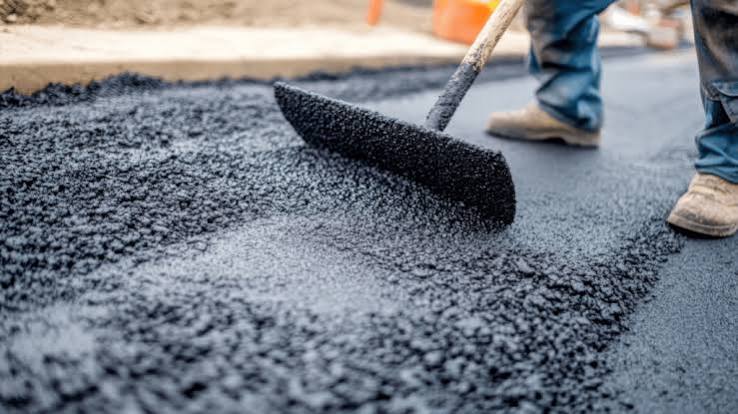
A crew laying and smoothing fresh asphalt during a full driveway installation

Some driveways are past the point where patching or resurfacing makes financial sense β€” a failed sub-base, damage that's recurred through multiple prior repairs, or a driveway that's simply reached the end of its service life after 20-plus years. In those cases, full replacement starting from excavation and proper base preparation is the more cost-effective long-term choice, even though it's a bigger upfront project than a patch.

A full replacement starts with tearing out the old surface and, where needed, excavating and rebuilding the sub-base β€” this is the step that gets skipped by contractors trying to cut costs, and it's also the single biggest factor in how long the new driveway actually lasts. We build a properly graded, compacted base before laying new asphalt or pouring new concrete, and we grade the surface to shed water away from the driveway rather than letting it pool and undermine the new surface the same way it damaged the old one.

For new construction or driveway additions in Limerick Township, we handle the permitting process directly with the township so the finished driveway meets local requirements for width, setback, and drainage rather than needing correction after the fact.

πŸ“ž Call 888-619-5502

Request This Service

* Indicates required field

Asphalt or Concrete for a New Driveway

Asphalt costs less up front and is easier to patch later if damage happens, but needs periodic sealcoating to stay protected. Concrete costs more initially and holds up differently to salt exposure, but generally needs less routine maintenance over its life. We'll walk through the tradeoffs for your specific property and budget rather than defaulting to whichever material is easier for us to install.

Limerick Township Permitting

New driveway installations and significant modifications to existing driveway width or placement typically require a permit from Limerick Township. We handle that application and inspection coordination as part of the project so you're not navigating township requirements on your own.

How a Full Replacement Works, Step by Step

We start by tearing out and hauling away the old surface completely β€” asphalt, concrete, or a failed gravel-and-patch combination, whatever's there. Where the sub-base needs rebuilding, which is common on an older driveway that's been failing for years, we excavate down to stable soil and bring in and compact new aggregate base material in layers rather than one thick lift, since properly compacted base is the single biggest factor in how long the finished driveway lasts. The surface is graded during this stage to shed water away from the driveway and the house rather than letting it pool, and once the base is set, we pave with hot-mix asphalt or form and pour concrete, finishing and, for concrete, cutting control joints before the surface cures.

What Affects the Cost of a New Driveway

Square footage is the starting point, but base condition drives a lot of the variation β€” a driveway where the existing sub-base is unstable or where drainage needs correcting as part of the project costs more than one where a clean excavation down to solid ground is all that's needed. Material choice matters too: asphalt typically costs less upfront than concrete, while decorative options like stamped concrete or pavers cost more than either standard material. Site access, the driveway's length and shape, and whether a permit and inspection process is required for your specific project all factor into the final number, which is why we walk the property before giving a final estimate rather than quoting a full replacement over the phone.

How Long a Full Replacement Takes

A standard residential driveway replacement β€” tear-out, base work, and paving or pouring β€” typically takes a few days depending on size and whether significant base rebuilding is needed. Concrete adds cure time before the driveway can handle vehicle weight, generally about a week before regular use and closer to a month for full strength, while asphalt is usually drivable within a day of being compacted, though we'll flag if there's anything to avoid during its longer-term cure period. Weather can extend the timeline in either direction β€” a stretch of rain delays excavation and paving, and we won't pour concrete or lay asphalt in conditions that would compromise the cure.

Signs Your Driveway Has Reached the End of Its Service Life

A driveway that's been patched multiple times in different spots, where the patches themselves are now showing wear, has usually reached the point where another patch isn't a good use of money. Widespread structural failure β€” extensive alligator cracking on asphalt, or multiple cracked and unevenly settled slabs on concrete β€” spread across most of the surface, rather than confined to one area, is a strong signal the driveway is past resurfacing or targeted repair. And a driveway older than about 20 to 25 years that's showing its age broadly, even without dramatic damage, is often approaching the point where replacement makes more financial sense than continued maintenance on a surface nearing the end of its expected lifespan.

Our Warranty on New Driveway Installations

New installations carry a workmanship warranty covering structural failure tied to how the base was built or the surface installed β€” premature cracking, settling, or drainage problems traceable to our work. Concrete's normal shrinkage cracking within control joints, and gradual asphalt weathering that happens to every driveway over time regardless of installation quality, aren't covered under a workmanship warranty, and we'll walk through exactly what is and isn't included before the project starts so expectations are clear from day one.

Common Mistakes That Shorten a New Driveway's Life

Skipping proper base excavation and compaction to save time and cost is the single most common shortcut we see from other contractors, and it's also the reason so many driveways fail well before they should. Grading the surface flat instead of sloped to shed water is another β€” even a well-built driveway develops problems fast if water has nowhere to go but into the pavement itself. And putting a heavier vehicle or equipment on a brand-new asphalt or concrete surface before it's fully cured, even if it looks finished, can leave permanent marks or weaken the surface at a point where it hasn't reached full strength yet.

Coordinating Replacement Timing With Other Projects

A full driveway replacement is disruptive enough on its own that it's worth thinking about alongside other exterior work you might already be planning β€” a new walkway, a drainage fix elsewhere on the property, or landscaping changes near the driveway's edge are all easier to coordinate before the new driveway goes in than after, since equipment access for a later project can otherwise damage a driveway that's just been finished. We'll ask about any other work you're considering during the estimate so we can sequence things in an order that doesn't mean redoing part of the new driveway a few months later.

Areas We Serve

Proudly providing driveway repair across the region:

Get New Driveway Installation & Full Replacement in Limerick Today

Fast response, upfront pricing, and friendly local pros. Call now for a free quote.

πŸ“ž Call 888-619-5502