πŸ“ž Call for a Free Quote: 888-619-5502

Pothole Repair in Limerick, PA

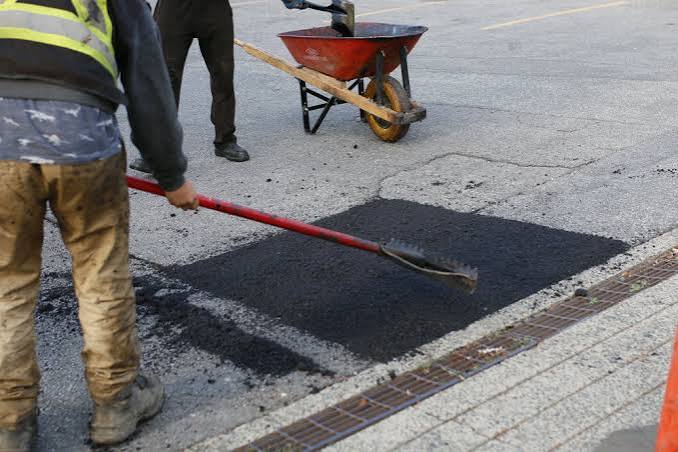
A crew patching a freshly cut pothole with new asphalt next to a wheelbarrow

A pothole in an asphalt driveway almost always starts as a small crack that let water in, and once that water freezes and expands a few times over a winter, the surface breaks down fast. Left alone, a single pothole tends to grow β€” the edges keep chipping away every time a tire crosses it β€” and can undermine the asphalt around it well beyond the original damaged area.

Our pothole repair cuts a clean, square edge around the damaged area rather than just filling the existing ragged hole, removes the compromised asphalt and base material, and compacts new hot-mix asphalt in properly graded lifts so it bonds with the surrounding surface instead of sitting as a loose plug that pops out under load. That prep work is the difference between a patch that lasts and one that fails again within a season.

For driveways with multiple potholes or potholes that keep reappearing in the same general area, we'll flag that during the estimate β€” recurring potholes in the same spot are often a sign of a drainage issue or sub-base problem that needs addressing alongside the patch, not a coincidence of bad luck.

πŸ“ž Call 888-619-5502

Request This Service

* Indicates required field

Why Potholes Come Back in the Same Spot

If water is consistently pooling or draining toward one section of the driveway, that section will keep breaking down faster than the rest no matter how many times it's patched. When we see recurring damage in the same location, we look at grading and drainage as part of the fix, not just the pothole itself.

Our Pothole Repair Process, Step by Step

We start by cutting a clean, square edge around the pothole rather than filling the existing ragged hole as-is, since a straight cut gives the new asphalt a solid surface to bond against instead of crumbling edges that will just break away under the next few freeze-thaw cycles. We remove the broken asphalt and any compromised base material underneath, check that what's left is compacted and stable, and then build the new asphalt back up in properly compacted lifts rather than dumping it in all at once. The final lift is compacted flush with the surrounding driveway and the seam is sealed so water can't work its way back into the same spot.

What a Properly Compacted Patch Looks Like vs. a Bad One

A patch that's been compacted correctly sits flush with the surrounding pavement, has a clean, sealed edge where it meets the old asphalt, and doesn't flex or shift when you drive over it. A patch that's failing β€” usually because it wasn't compacted in lifts, or the edges weren't cut clean, or the base underneath wasn't addressed β€” tends to sit slightly proud or sunken compared to the surrounding surface, and you'll often see a hairline gap opening up around its perimeter within the first year. That gap is the same entry point for water that caused the original pothole, which is why a badly compacted patch frequently fails faster than the crack that created the pothole in the first place.

What Affects the Cost of a Pothole Repair

A single small, surface-level pothole is a quick and inexpensive fix. Cost goes up with the depth of the damage β€” if the base underneath the pothole has also washed out or crumbled, that needs to be excavated and rebuilt before new asphalt goes in, which adds both material and labor. Multiple potholes scattered across the driveway cost more in total than the same combined area concentrated in one spot, since each one needs its own clean-cut edge and compaction. We give you a breakdown of what's driving the price during the estimate rather than a flat number that doesn't reflect what's actually under each hole.

Emergency Patching vs. a Permanent Repair

If a pothole is creating a real safety or drivability issue in weather that won't allow a proper hot-mix repair β€” deep winter cold, for instance β€” we can put in a temporary patch to address the immediate problem, using techniques suited for cold-weather application. That temporary fix isn't meant to be permanent, and we'll follow up with the proper cut-and-compact repair once temperatures allow the hot-mix asphalt to bond and cure the way it's designed to. Trying to make a cold-weather patch permanent usually just means redoing the work once conditions improve.

Hot-Mix vs. Cold Patch Material

Hot-mix asphalt, delivered and compacted while still warm, bonds to the surrounding pavement and compacts to a density that holds under traffic and weather for years. Bagged cold patch, sold for DIY use, is designed to be workable at ambient temperature without compaction equipment, which also means it's never compacted to the same density and typically fails within a season or two, especially through a Pennsylvania winter. We use hot-mix for every permanent repair and reserve cold-patch techniques for genuine temporary, cold-weather fixes only.

How Long Pothole Repair Takes

A single isolated pothole is almost always a same-day repair, from cutting the edge through compacting the final lift. Multiple potholes or ones with deeper base damage take longer, and we'll give you a realistic timeframe during the estimate based on what we actually find once we start cutting out the damaged area, rather than a generic estimate that assumes every pothole is the same.

Our Pothole Patch Warranty

We warranty our pothole patches against failure from workmanship β€” if a patch we install separates from the surrounding asphalt or breaks down structurally within the warranty period, we come back and fix it at no cost. If the same spot develops a new pothole because of an underlying drainage issue we flagged but that wasn't addressed, that's a different problem than a warranty claim on the patch itself, and we'll be upfront about that distinction during the estimate.

When a "Pothole" Is Actually Something Else

Not every depression in a driveway is a true pothole in the sense of broken-through asphalt β€” sometimes what looks like one is actually a settled area where the asphalt surface is still intact but has sunk with the base underneath it, which needs a different repair than cutting out and patching broken pavement. We check which situation we're looking at before quoting the job, since patching a settled-but-intact area the same way we'd patch a true pothole doesn't address why the base sank in the first place, and the depression is likely to return.

How Vehicle Weight and Traffic Affect Patch Sizing

A patch that only needs to handle a passenger car parked in roughly the same spot each day can be built to a standard residential depth, but a driveway that regularly sees a heavier vehicle β€” a full-size truck, a trailer, or recreational equipment β€” benefits from a slightly deeper, more heavily compacted patch in that specific area, since repeated heavy loads are what cause a marginal patch to rut or fail early. We ask about what regularly parks on the driveway during the estimate so the patch is built for the actual load it'll carry, not just a generic assumption.

Areas We Serve

Proudly providing driveway repair across the region:

Get Pothole Repair in Limerick Today

Fast response, upfront pricing, and friendly local pros. Call now for a free quote.

πŸ“ž Call 888-619-5502